Learning from mistakes in Karate
In traditional Okinawan martial arts and Japanese culture, making errors is not a failure, but an essential step towards self-mastery. Through discipline, respect, and humility, mistakes provide the friction required to conquer the ego and build enduring character.

Sacred ground and proper etiquette
Stepping onto the wooden floor of an Okinawan dojo demands mindfulness from the very first second. The simple act of removing shoes before crossing the threshold honours the space and those who train within it. Arriving late is considered remarkably poor etiquette in Japanese culture; punctuality reflects your reverence for the master and fellow students. When we falter in these basic rituals, guidance from a senpai quickly reminds us that discipline begins long before throwing the first punch.
Humility, hierarchy, and ego
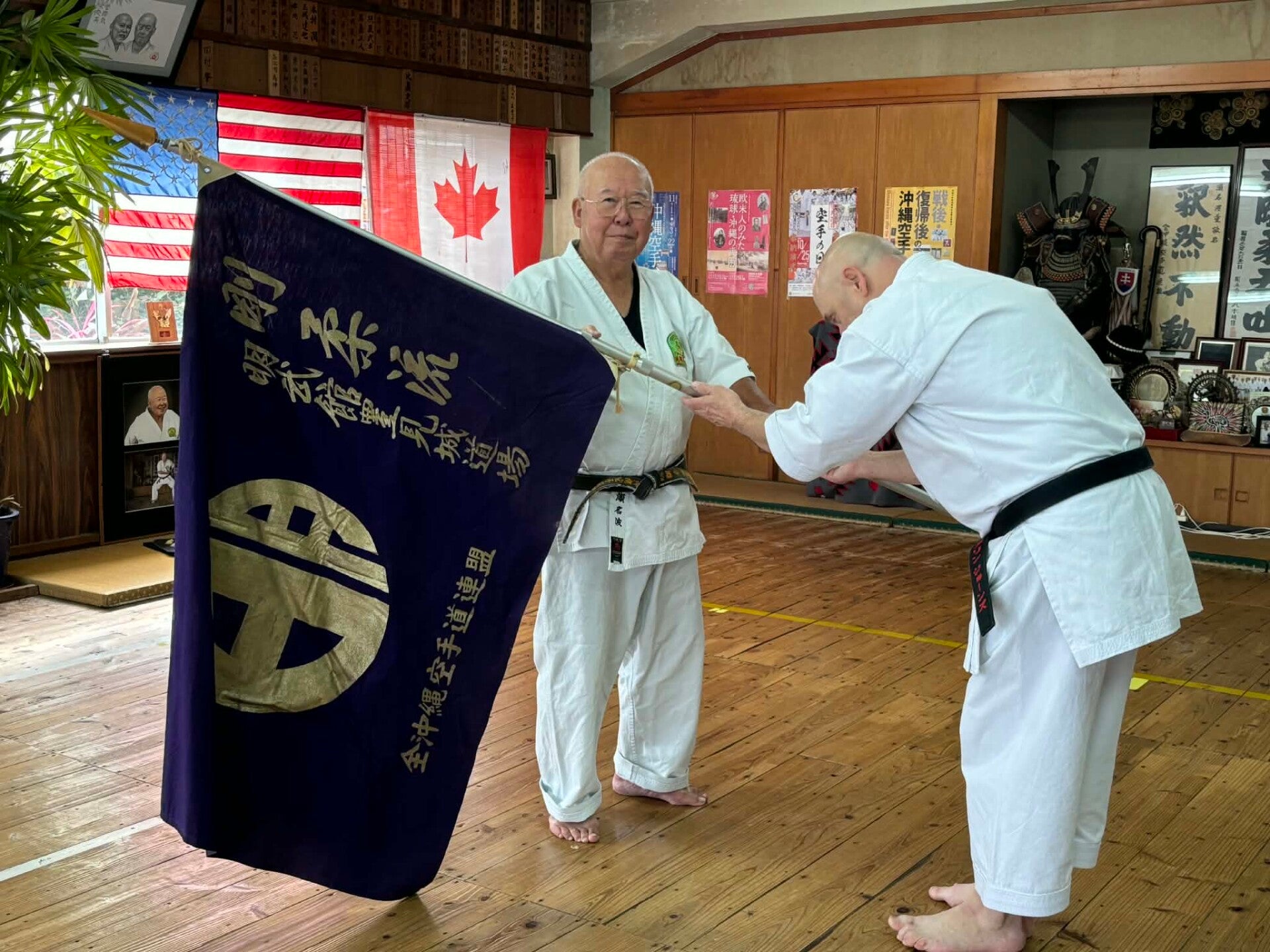
A critical lesson inside the dojo is understanding hierarchy and knowing your place. Senpai (senior students) and Sensei (teachers) stand above Kohai (juniors) for good reason: their experience is earned through sweat, patience, and correction. Trying to do things your own way or placing yourself above your status reveals stubborn self-importance, and lack of understanding. As there is nothing worse than a student who has a poor attitude. In Budo, strict codes and rules exist precisely to dismantle individual ego, paving the way for genuine inner calm and resilience.
Gratitude and mindful living
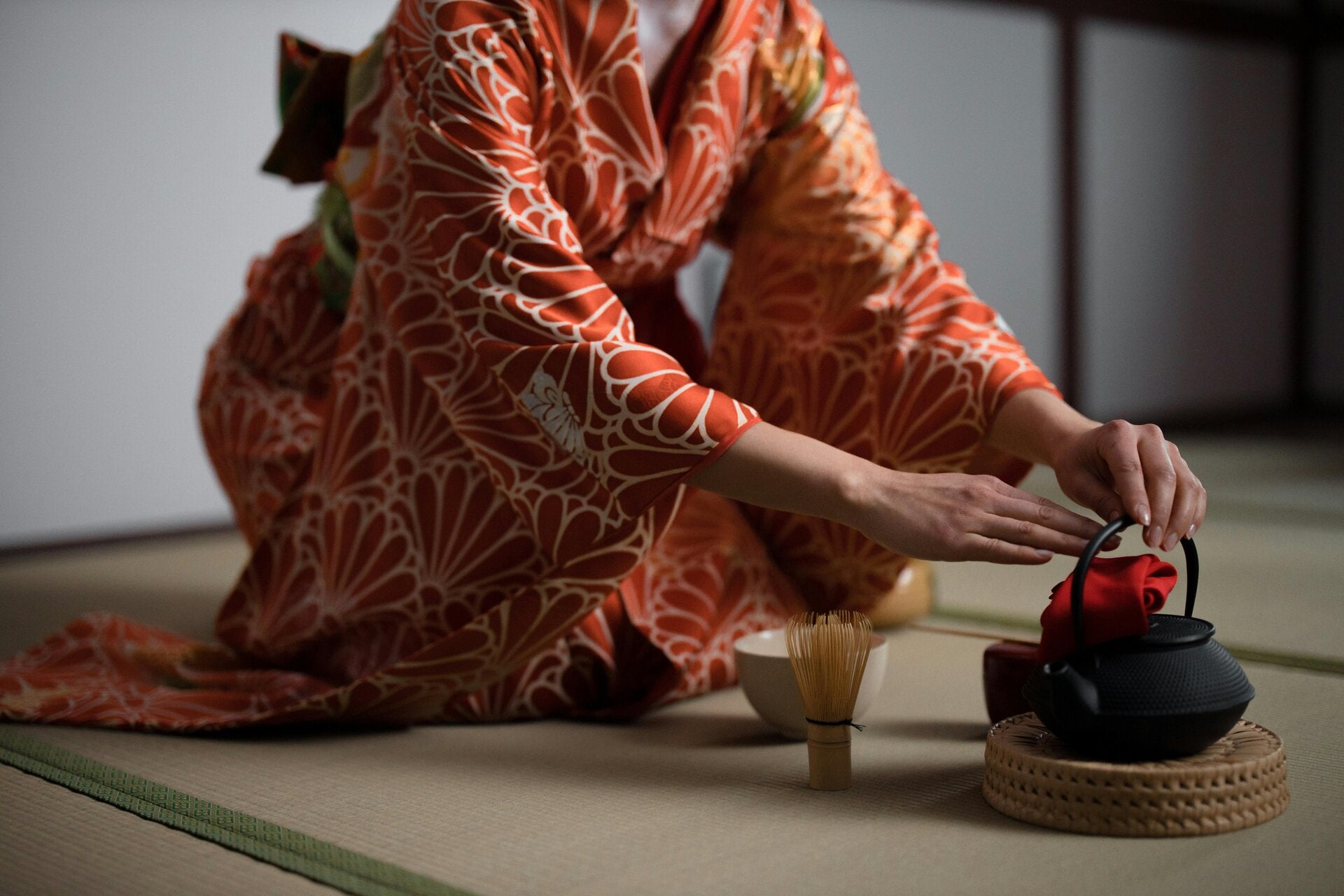
Another fundamental Okinawan value is reciprocal respect. It is customary to always offer a token of gratitude, even if it is just a small, thoughtful gift. By accepting correction with good grace and honouring tradition, these martial principles transcend physical practice and reshape daily well-being. Reflect on these foundational lessons and continue exploring our journey by reading more of our inspiration and blog posts.