The Art and Spirit of Daruma dolls
A timeless symbol of perseverance, mindfulness, and intentional living. Discover how these iconic figures from Japanese tradition weave seamlessly into the Okinawan philosophy of purpose, health, and holistic well-being.
Origins and cultural heritage
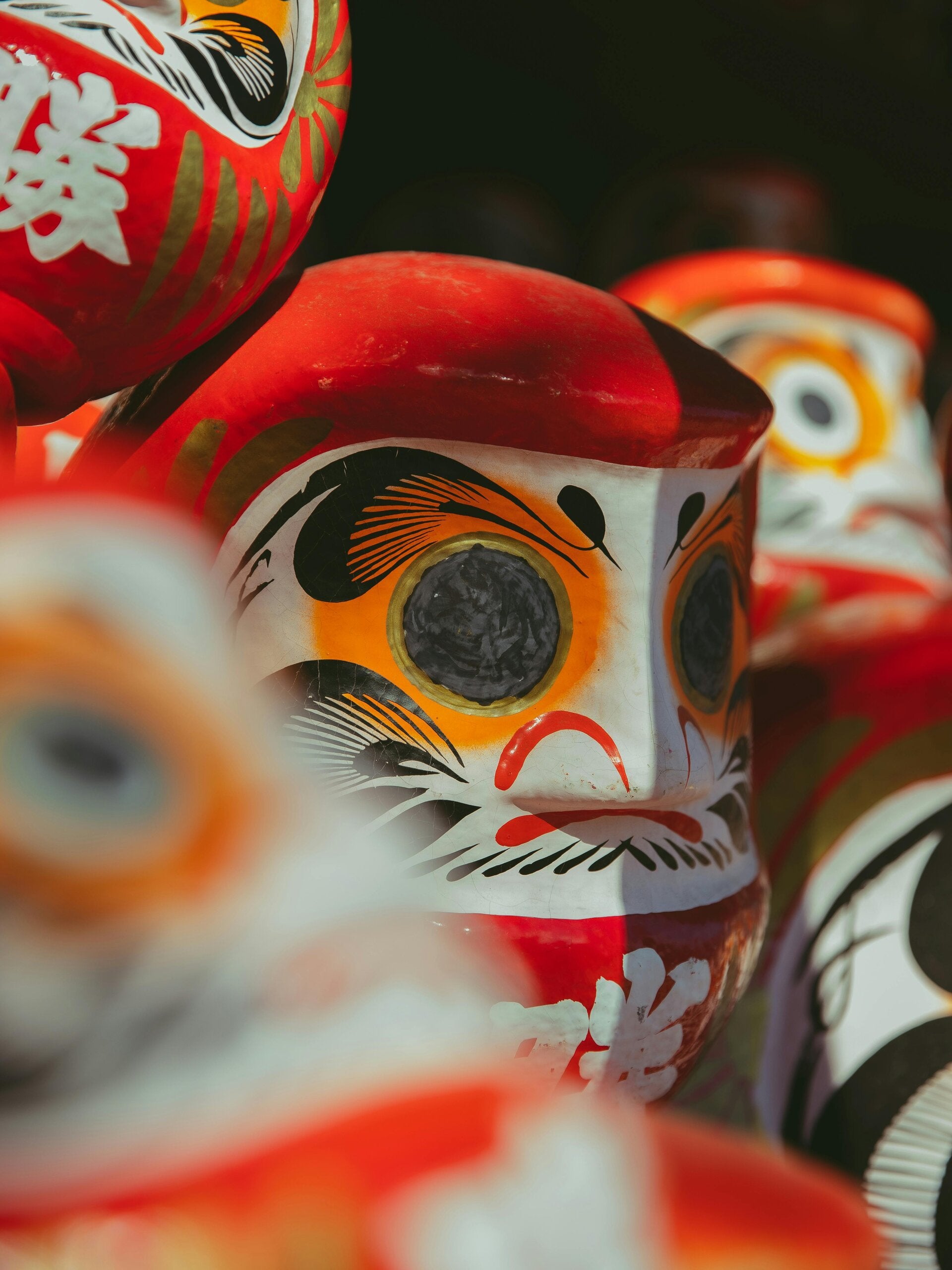
Daruma are often seen as just dolls, toys or ornaments to the uninitiated, or visitors to Japan. They do though have a much deeper meaning of immense value within Japanese and Okinawan culture. Often seen at Temples, in shops or family homes.
After Bodhidharma, the founder of Zen Buddhism, Daruma dolls have served as revered cultural emblems in Japan for centuries. Characterised by their spherical, weighted shape and determined expression, they embody the ancient proverb nana korobi ya oki—fall down seven times, stand up eight. Each traditional detail, from the crane-shaped eyebrows to the tortoise-like beard, reflects wishes for endurance and long life.
The ritual of setting intentions
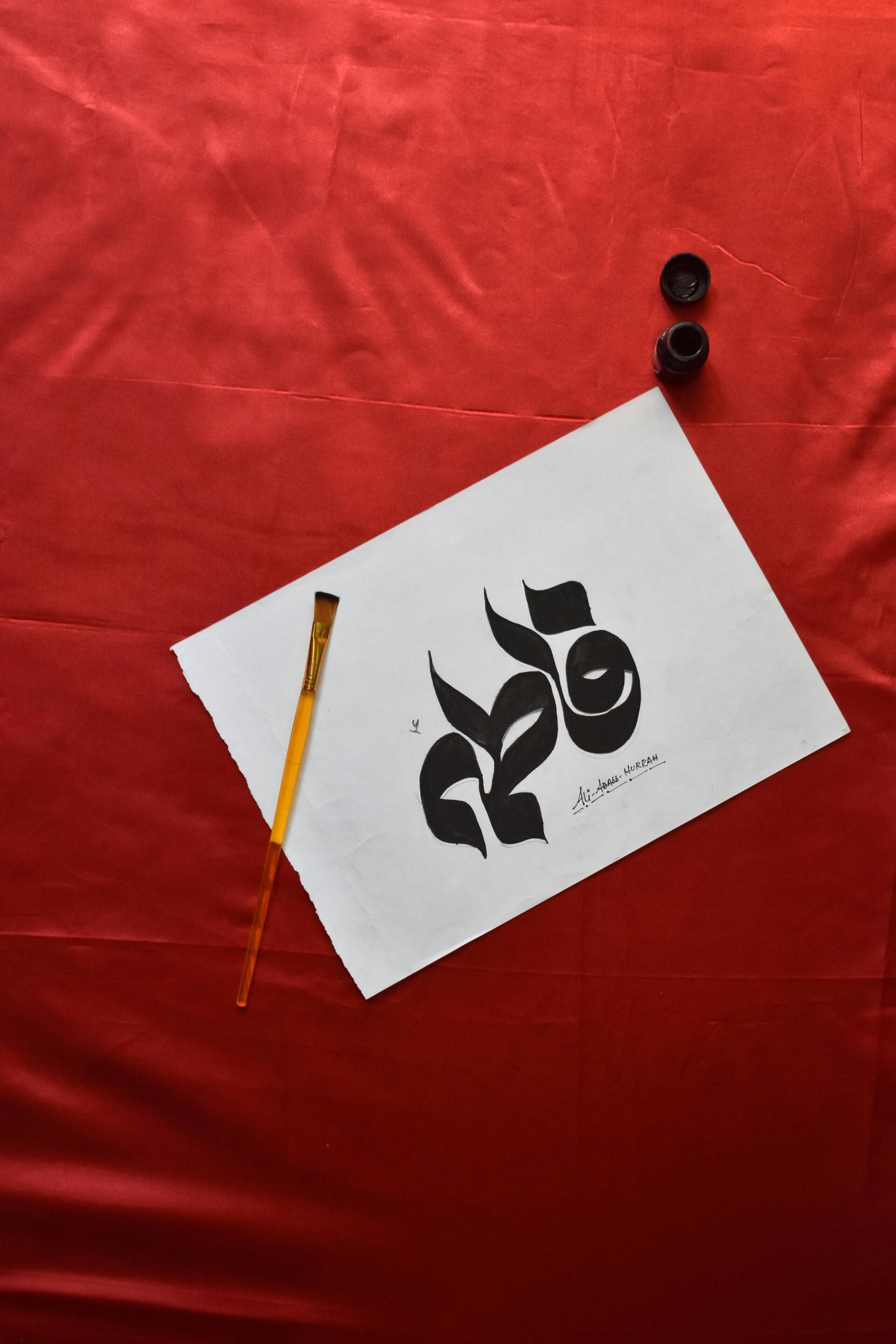
Traditional Daruma dolls are made without pupils. When undertaking a personal aspiration or lifestyle commitment, you begin by painting a single pupil into the left eye. Placed visibly in your home, the doll becomes an everyday reminder of patience and focus. Only upon the realisation of your goal is the second eye painted, completing the journey with gratitude and self-reflection.
Daruma in the Okinawa way of life
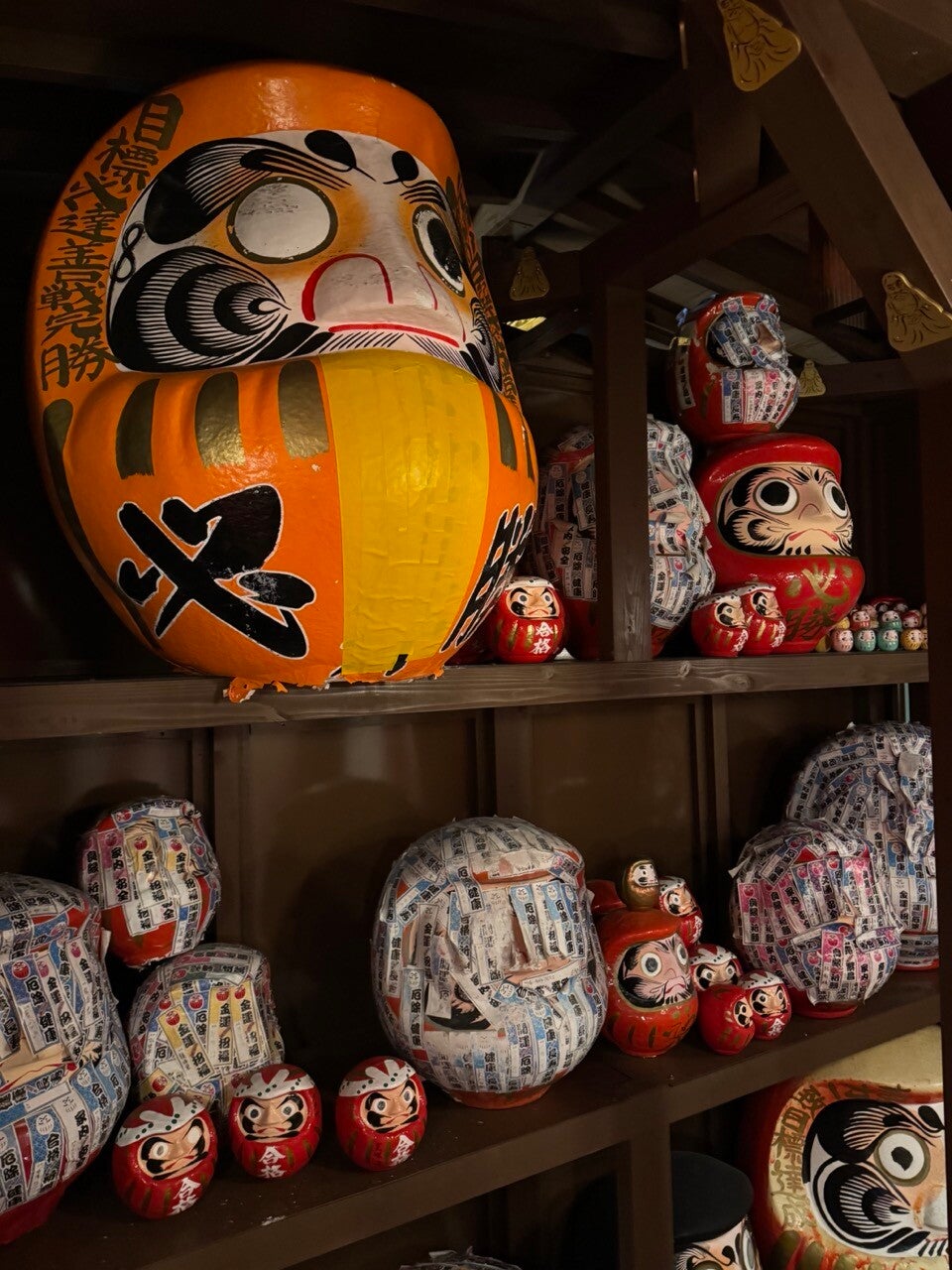
Throughout Okinawa, well-being is anchored in clarity of purpose, known locally as ikigai. The Daruma doll is a beloved fixture across Okinawan households, dojos, and community spaces. By pairing daily healthy habits and mental resilience with clear, mindful intentions, Daruma dolls serve as a steady anchor for longevity, balance, and quiet perseverance.